Azoospermia means no sperm are detected in the ejaculate and requires systematic...See More
Sep 29, 2026

Complete treatment for kidney stones, prostate and urological disorders

Specialized in Minimally Invasive Laser Surgeries, Laparoscopic & Robotic Urology for Complete Patient Care
Minimally invasive surgeries for faster recovery and comfort

Personalized solutions for urinary, fertility, and reproductive health
Delivering advanced care with precision, safety, and trust

.jpg)
.jpg)
.jpg)
.jpg)
.jpg)
About Us
Years Of Experience
Laparoscopic Surgeries Performed
Happy Patients





Complete Urology and Women's Health Solutions
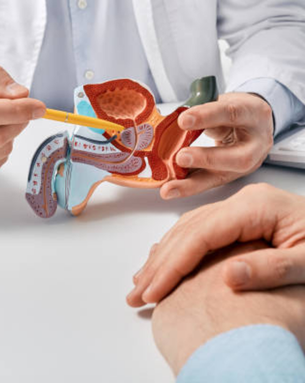
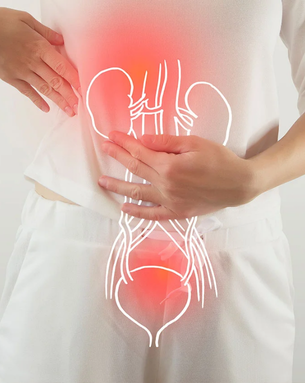
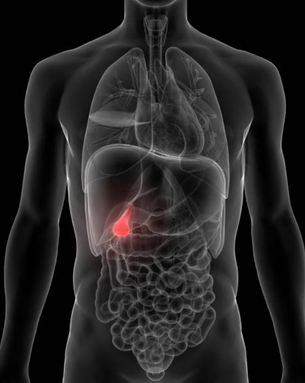
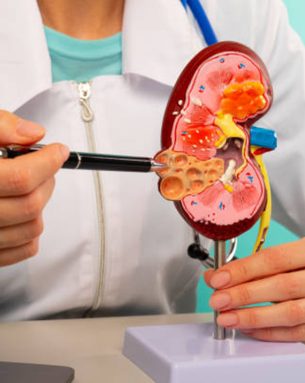
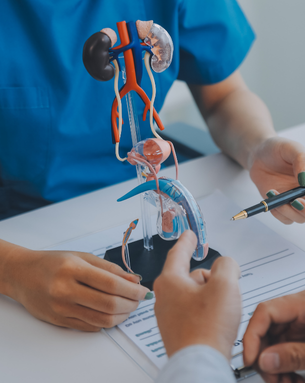
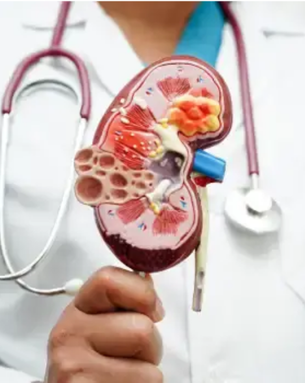
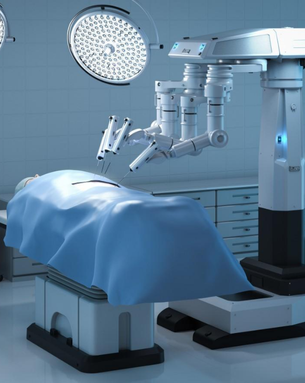

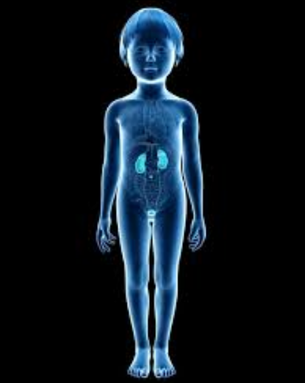
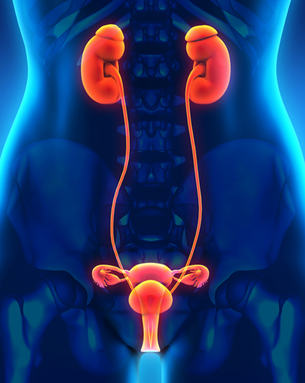
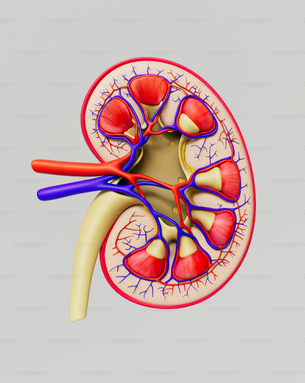
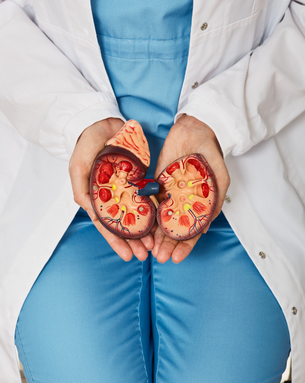
Stay informed with our latest updates, posts, announcements, and healthcare news
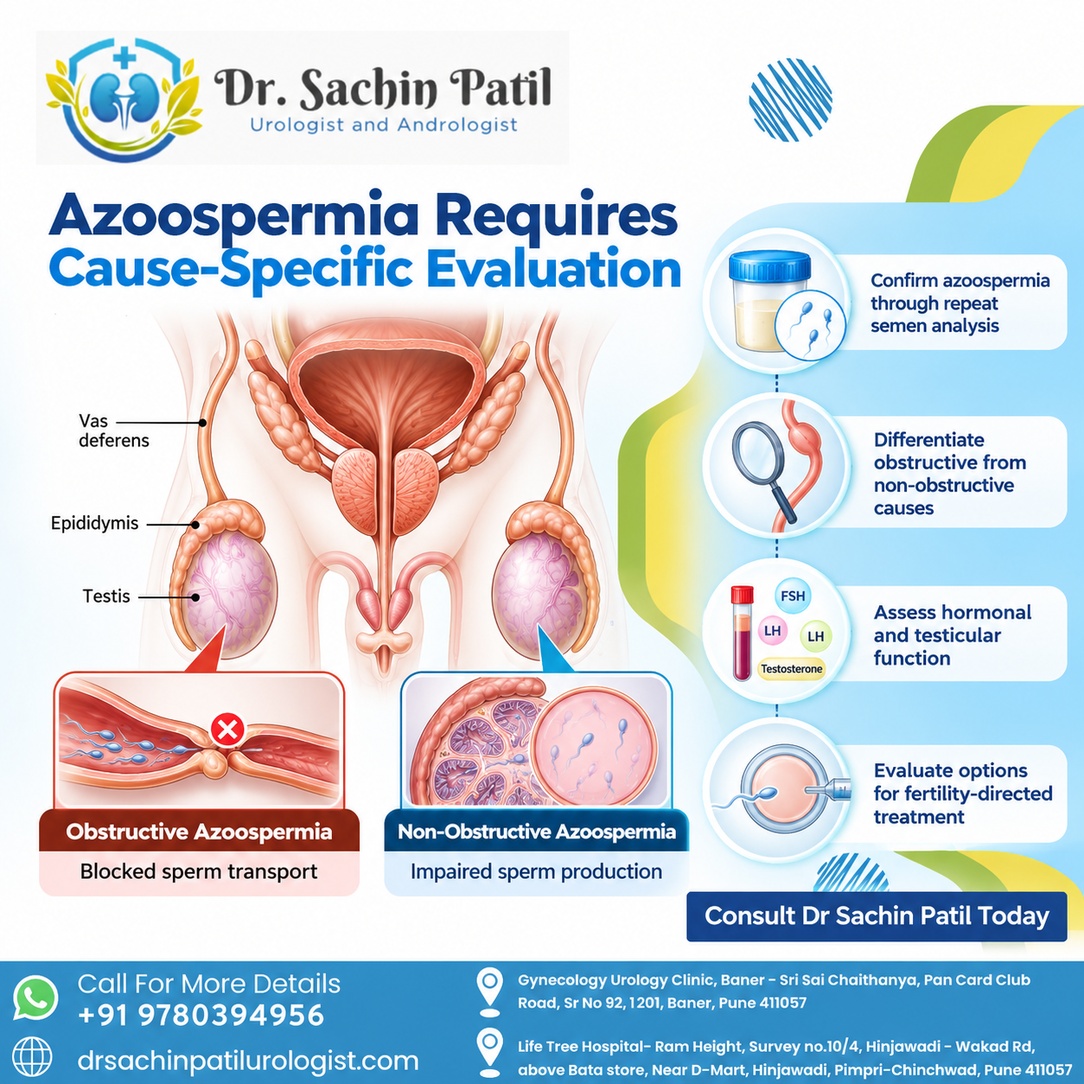
Azoospermia means no sperm are detected in the ejaculate and requires systematic...See More
Sep 29, 2026
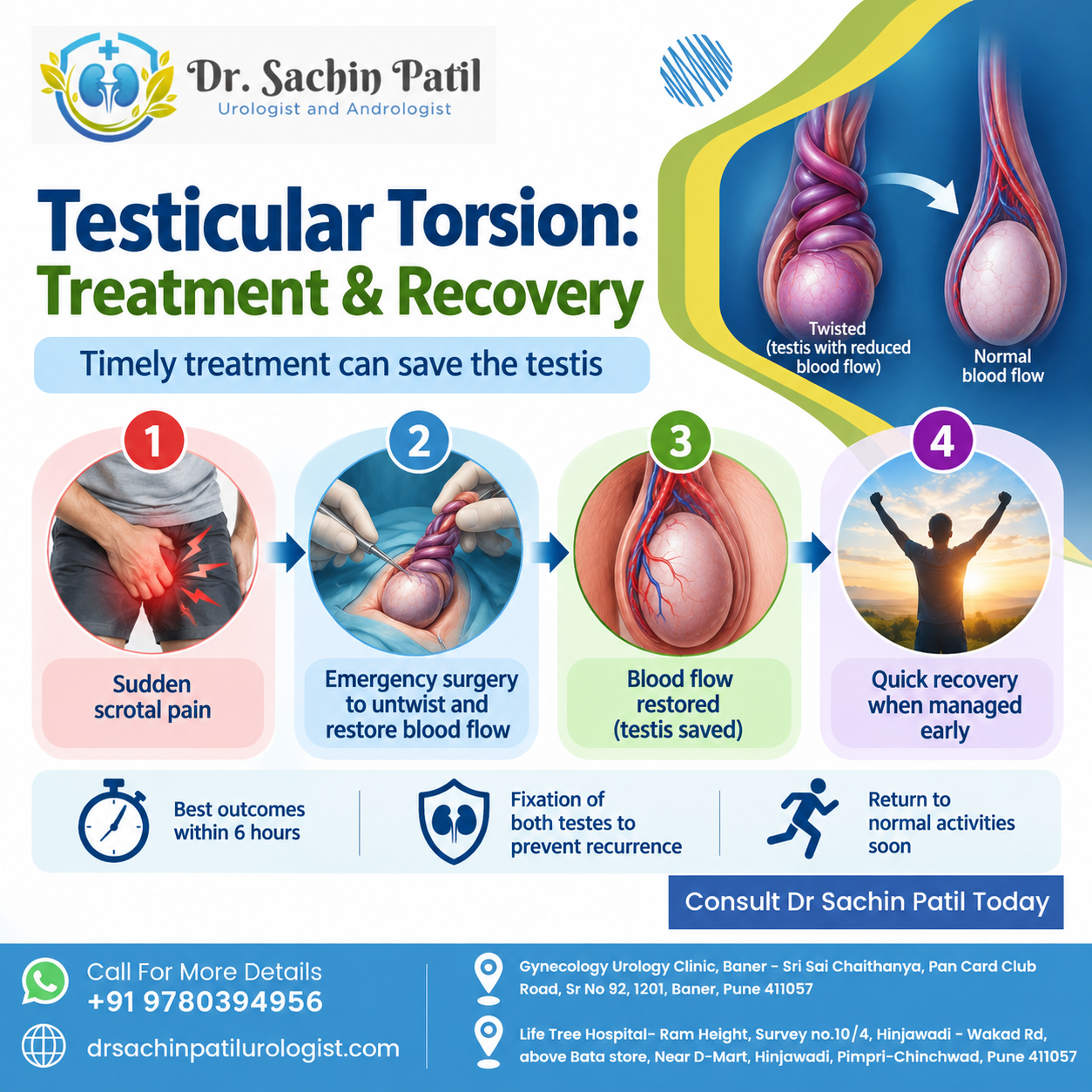
Testicular torsion is highly treatable—if addressed early. Prompt surgery can pr...See More
Sep 15, 2026
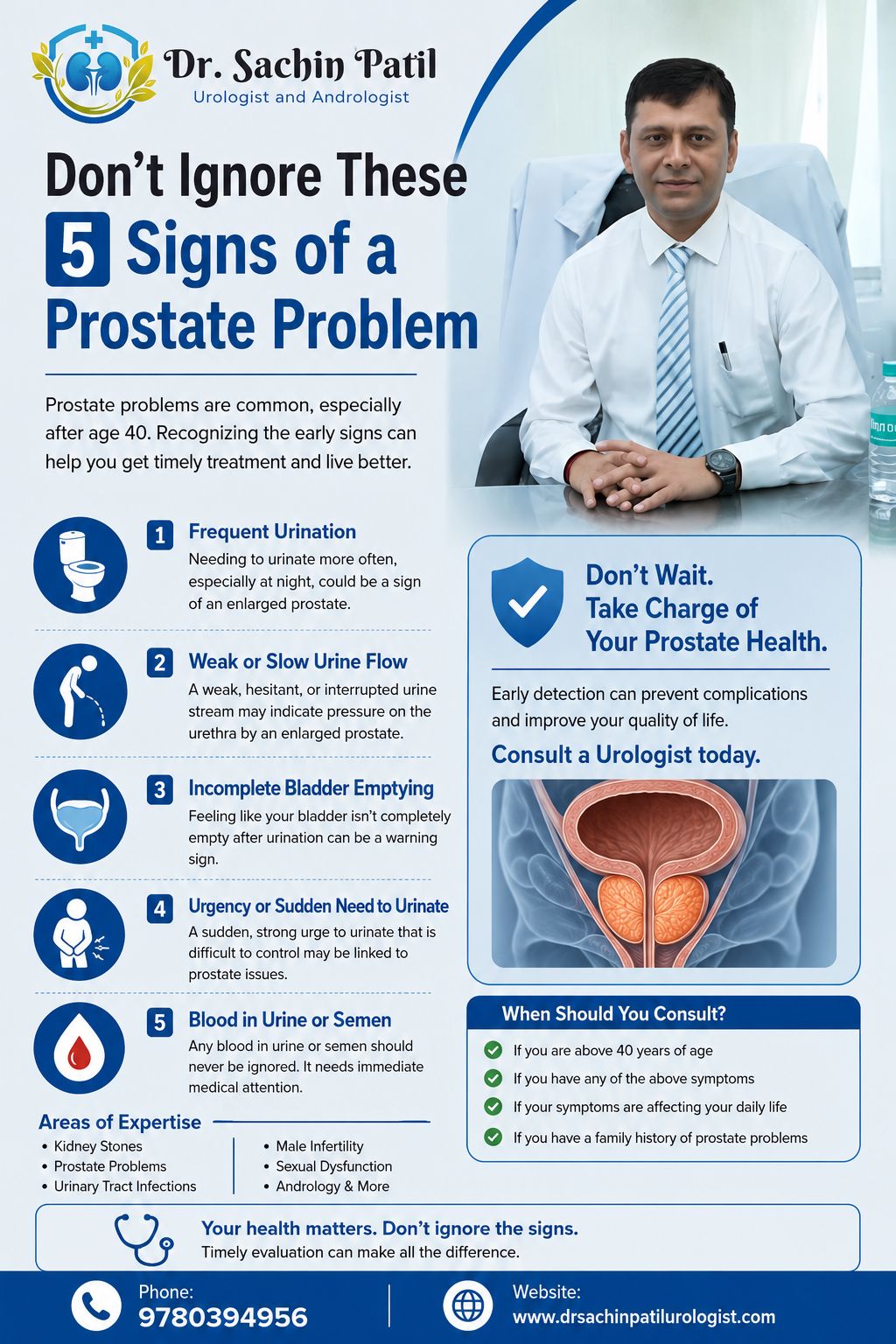
Don’t ignore changes in your urinary habits! 🚨 Frequent urination, weak urine f...See More
Sep 05, 2026
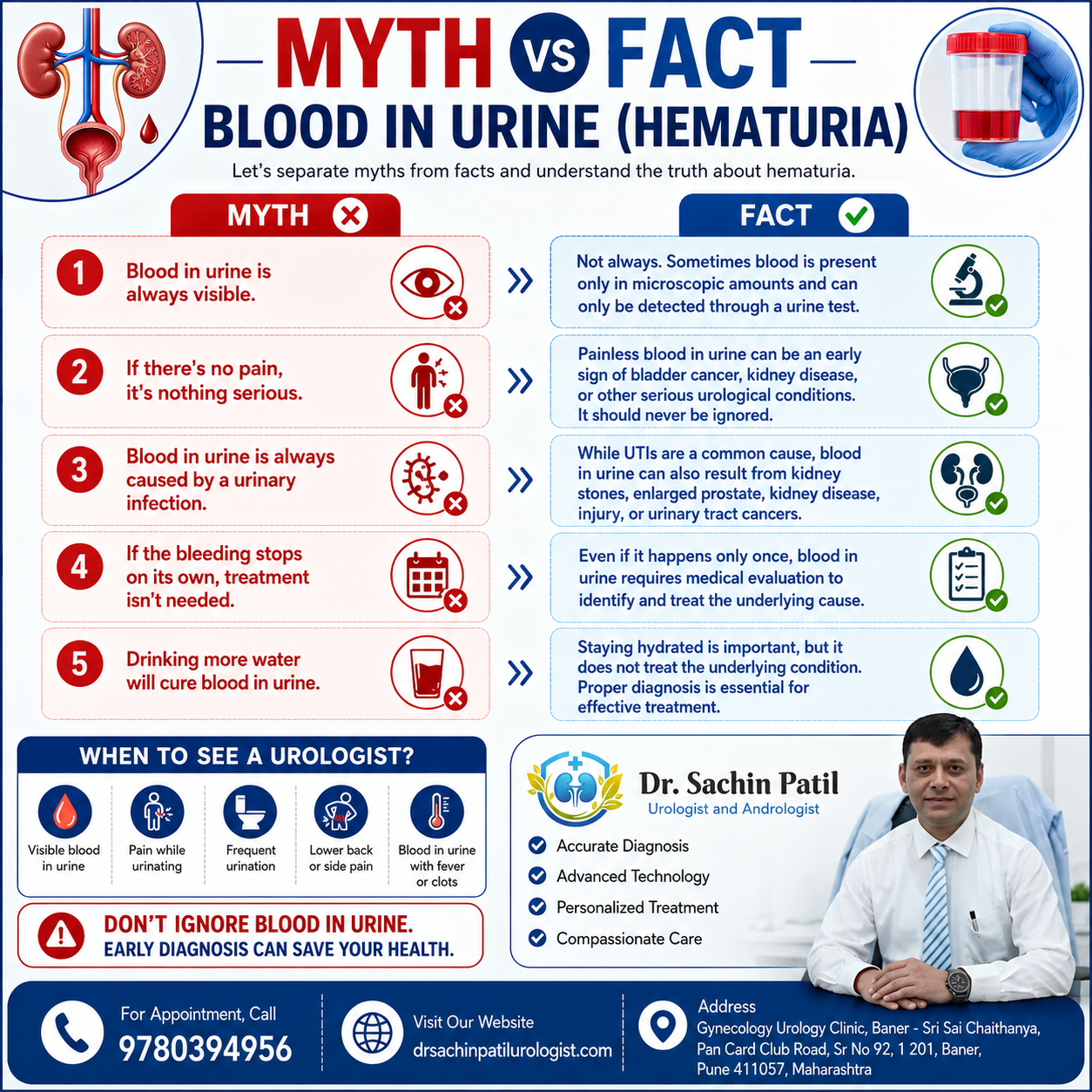
Myth or Fact? Blood in urine should never be ignored. While it may be caused by ...See More
Jul 10, 2026
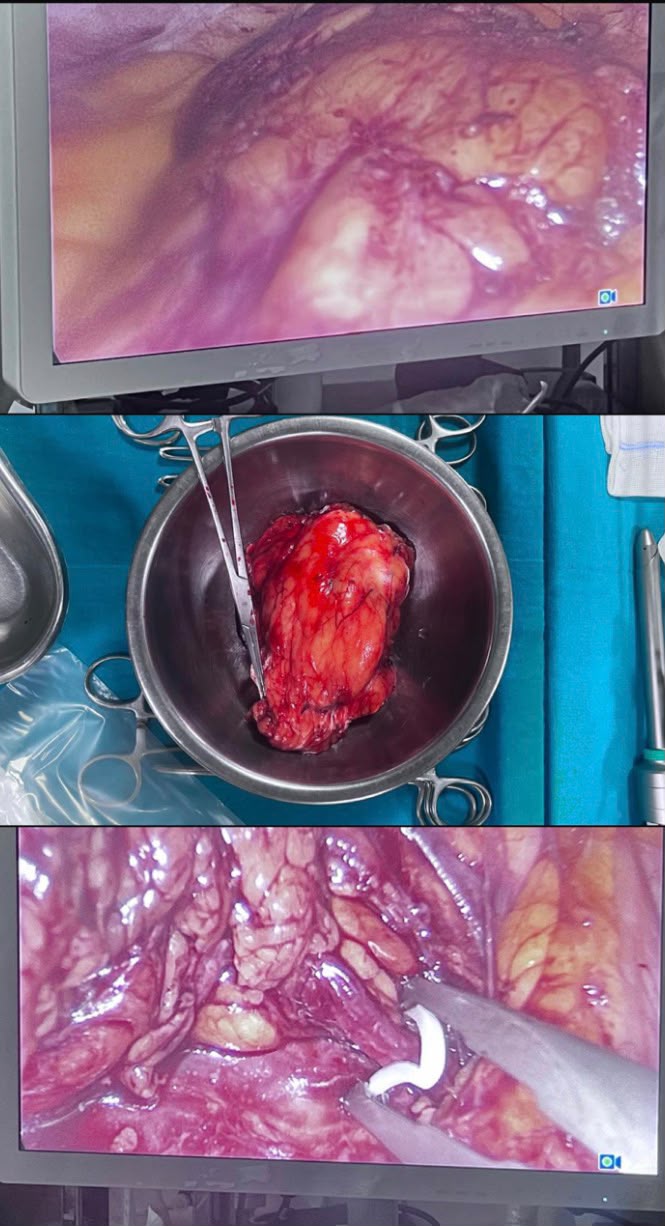
A non-functioning kidney caused by long-standing kidney stones can lead to serio...See More
Jul 10, 2026
Laser minioerc refers to compact, precision laser systems designed for small-sca...See More
Jul 31, 2026
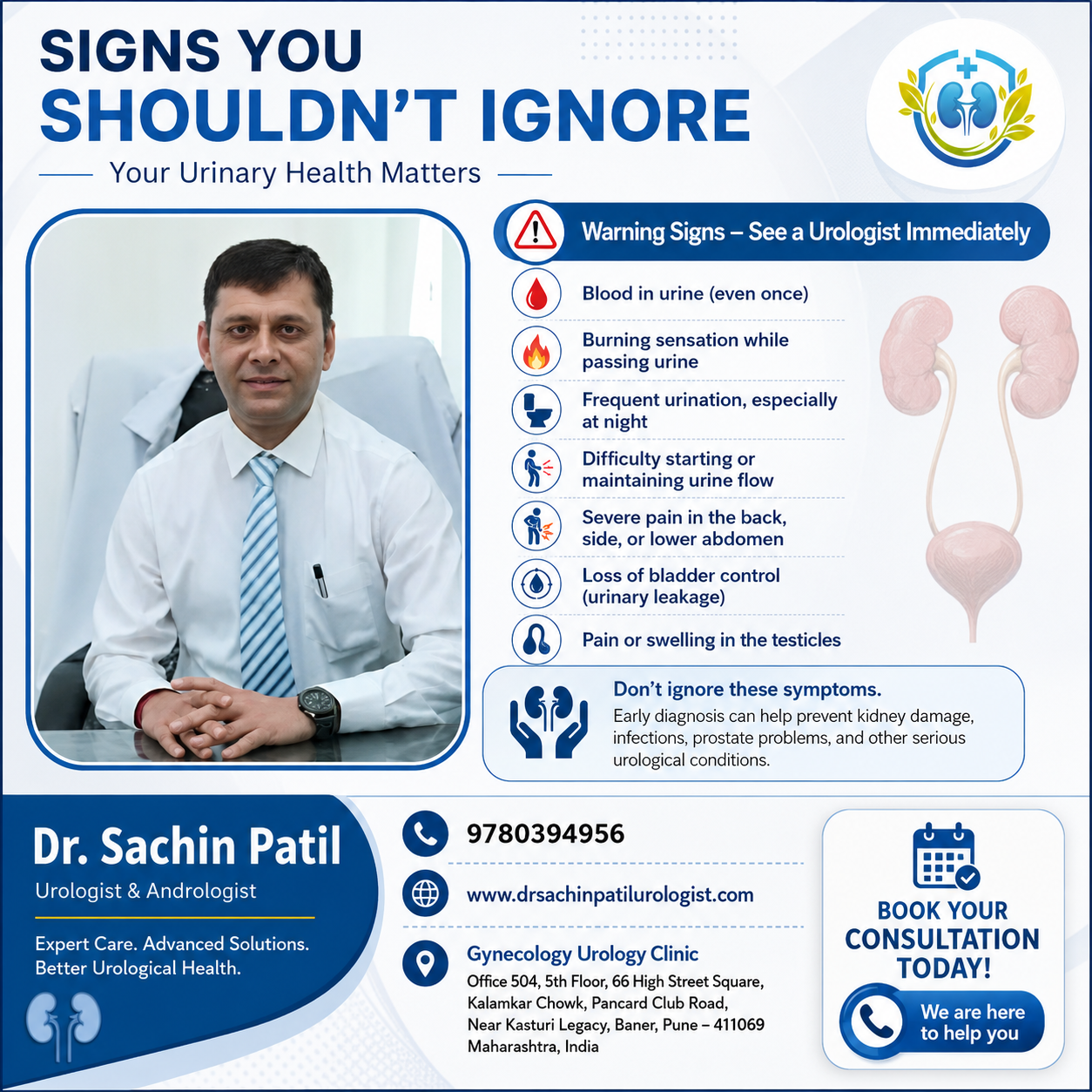
Don't ignore the warning signs your body is giving you. Blood in urine, burning ...See More
Jul 18, 2026
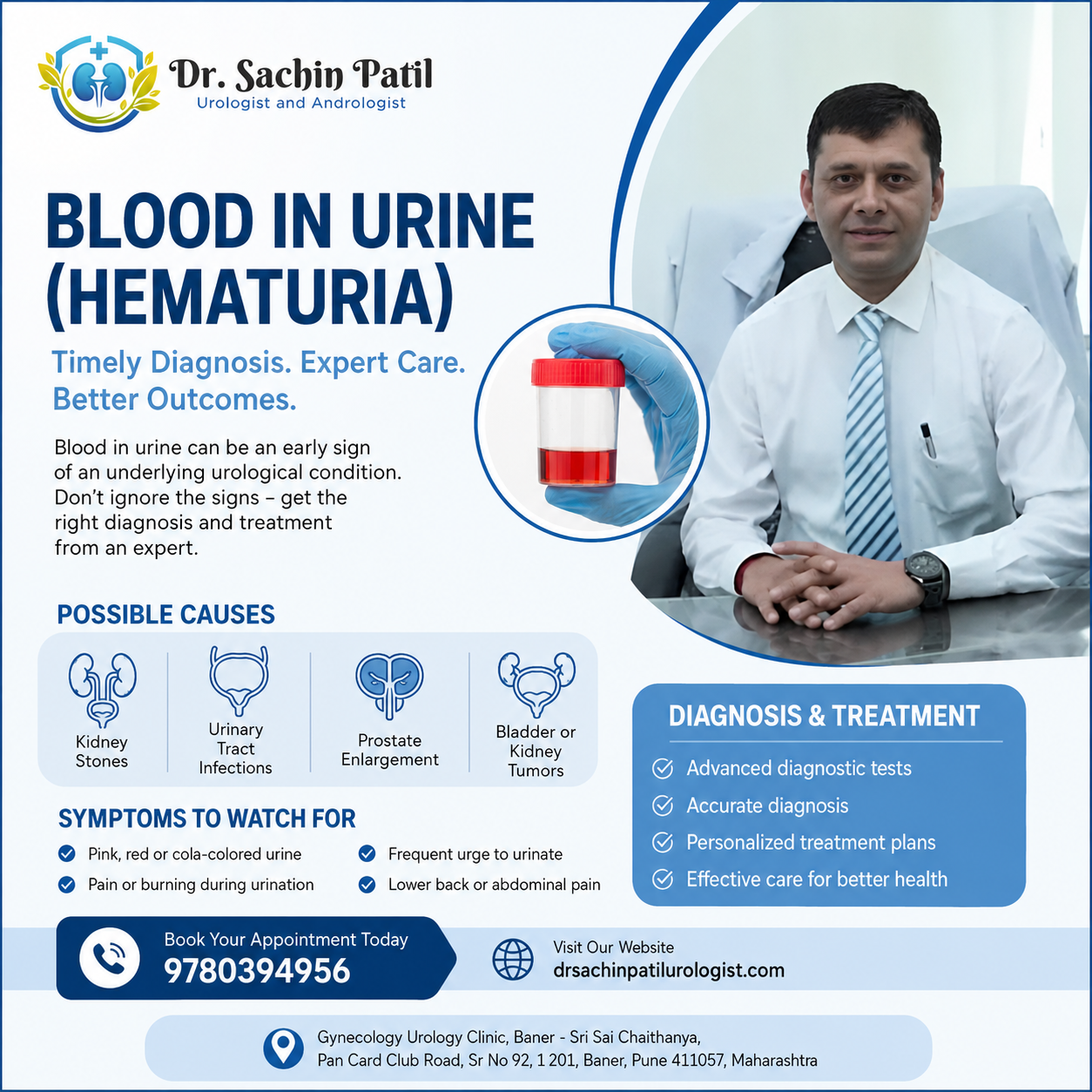
Blood in urine is never normal. It may be an early warning sign of kidney stones...See More
Jun 26, 2026
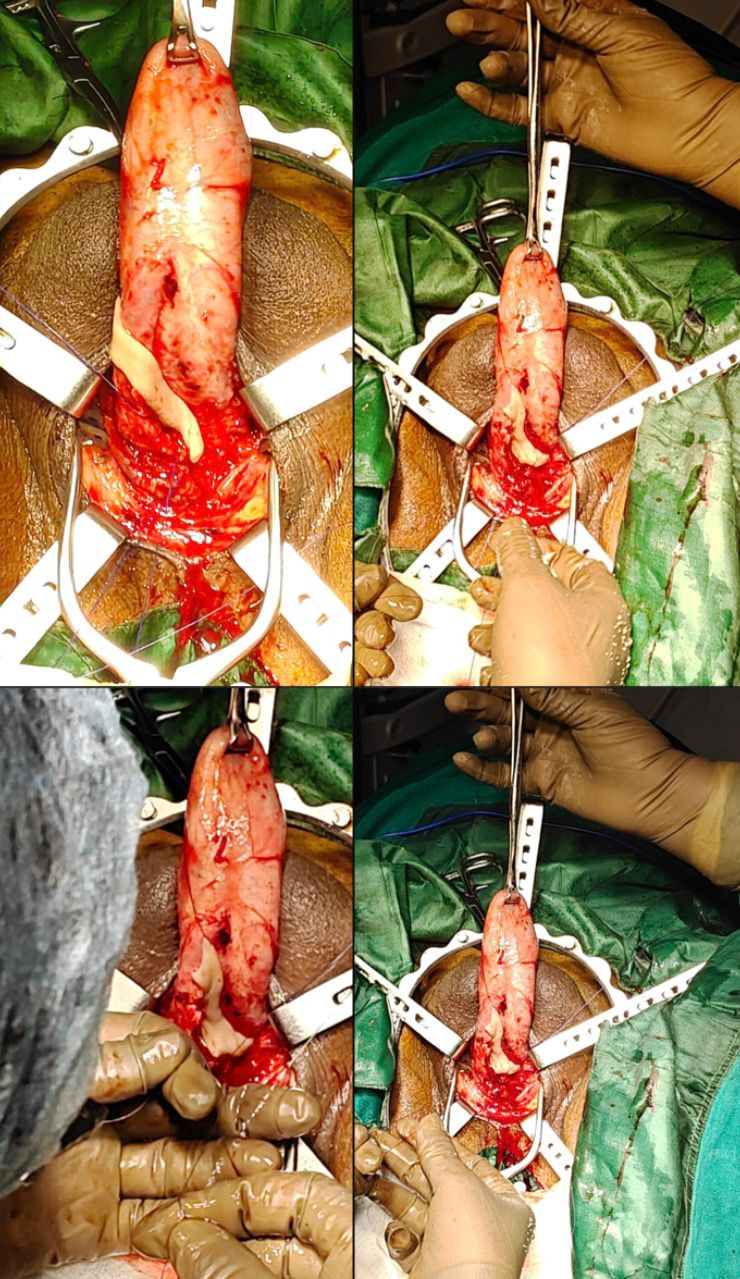
A challenging case of long-segment urethral stricture was successfully managed a...See More
Jun 12, 2026
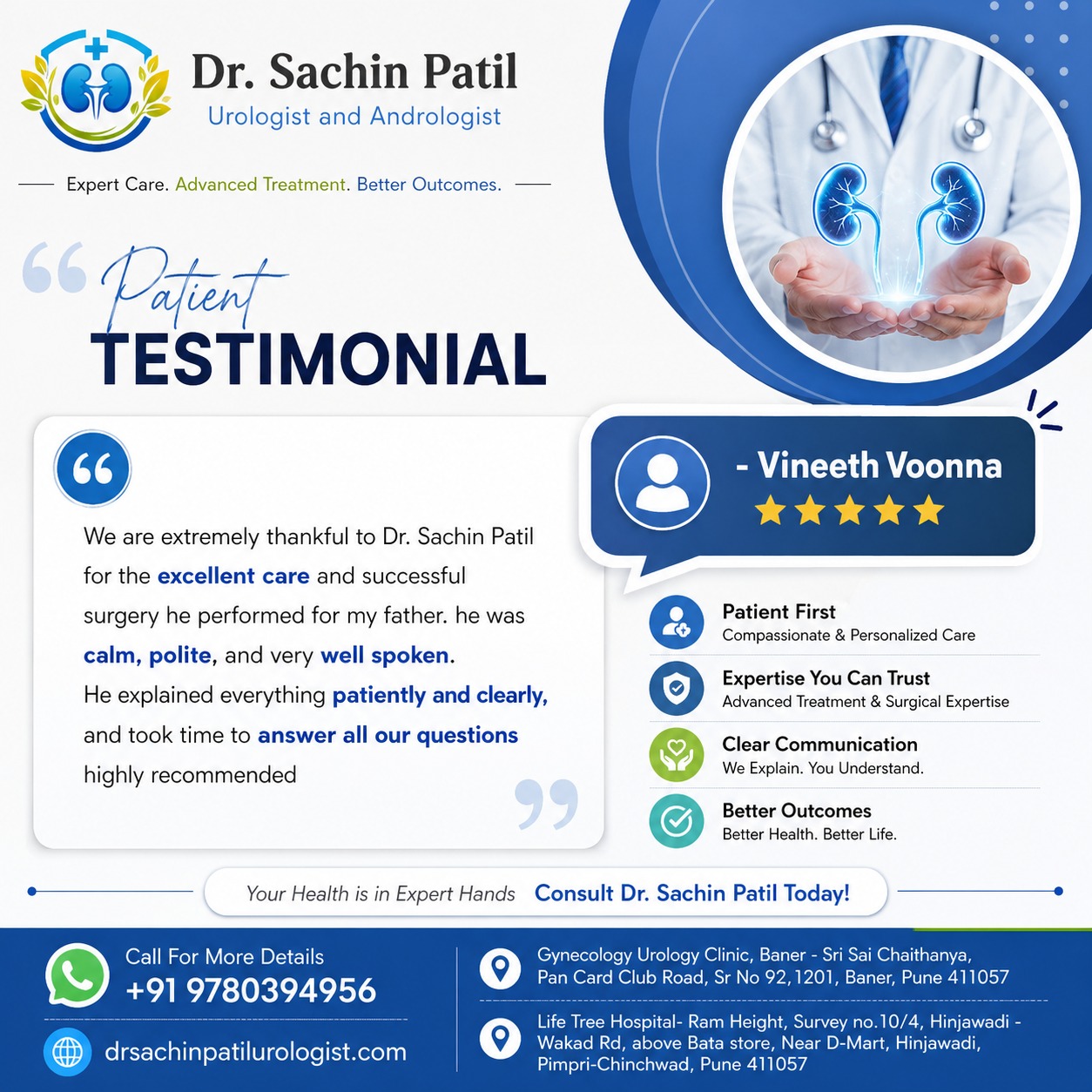
Trusted care. Clear guidance. Successful outcomes. Heartfelt gratitude from our ...See More
May 22, 2026
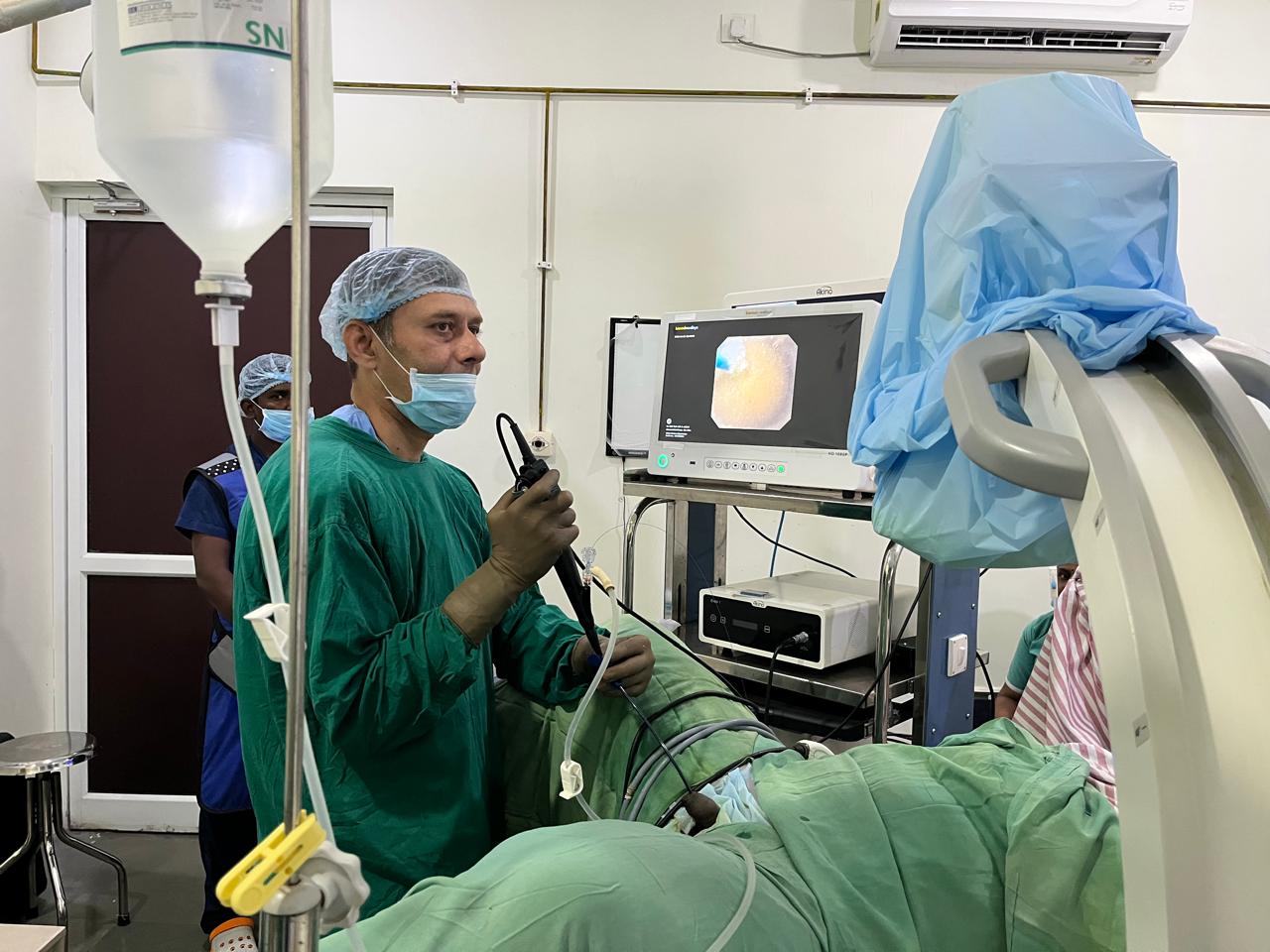
Successfully removed a 2 cm kidney stone using LASER (RIRS). No cut. No stitch. ...See More
Nov 25, 2025
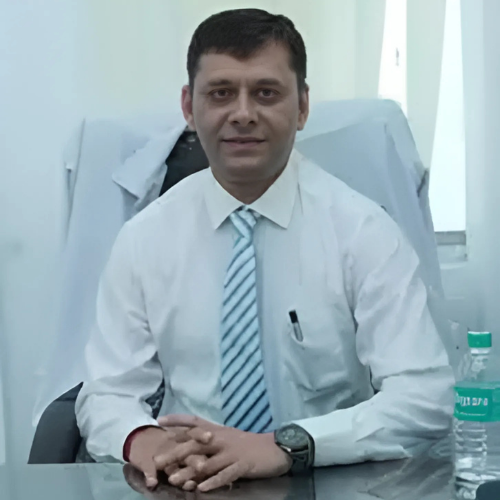
Andrologist, Urologist
What our Patients says about us
We had the Kidney Stone treatment from Dr Sachin Patil for my father at Baner clinic. Sachin Sir is very experienced for Kidney stone problem. He explained the problem very well and asked us to do surgery. He is very honest, suggested to take second opinion. But we believe on his word and went under surgery. The survey went smoothly and now father is feeling well. Dr Sachin is easily available on calls and WhatsApp for any queries. Thanks Sachin Sir for your great help. I would like everyone to consult Dr Sachin Patil for any urology problems.

I visited Dr.Sachin Patil for consultation for my father who was suffering with enlarged prostate and blood in urine.Doctor explained everything properly and comforted us.He is very kind and professional. My father had to undergo surgery for the same and he is doing better now.Thank you very much Doctor. I would definitely recommend Dr Sachin to anyone
That was my first trip and prior this trip other doctor I approached was recommending surgery. Wasting no time Dr. Sachin Patil asked me to get few tests done and see him again. On analysis of the test results, it was found that all tue results are normal and there is no need for surgery. He advised that this problem can definitely be cured by medication which he diligently suggested and assured that there wont be problems and didn't advice further consultations. Since then the medication is going on. Its been a week so far and things look to be benefiting. However I am yet to see it in little long run. Based on my experience will definitely suggest Dr.Sachin Patil
Hi All, It has been more than a year we were visiting Dr Deepshikha for the critical care my wife needed for precious pregnancy. After multiple failures, when we chose to go for the treatment with madam I was sure from Day-1 that she is the best for us. Finally, we are blessed with Twins and that's the biggest success that can happen to us in our life. Some of the best things about madam you will find is :- 1. She is very careful about her success of each case she handles which translates into success of her patients that's you. There can't be a better trait of your doctor if you desperately need success. 2. She is very friendly and ease your worries at the same time she will caution you repeatedly about the 'Do's and Don'ts'. 3. She is very open with her patient about the health condition and never gives false hope at the same time she will not keep any stone unturned to ensure success. 4. She will send you to the best radiologist and best neonatologist in the City. 5. As per our experience, she will always take the right decision for you whether you like it or not. You need to trust her and go by her suggestions. For our case, it was no less than a life mission and she always had equal commitment for the trust we had on her. We will always remain grateful to madam for her contribution towards us. It's unmatched and unparalleled. I am very bad at framing good write ups, but words can not always describe what a doctor contributes to your life. My sincere gratitude to madam for everything she had done for us. Thanks and Regards,
When I found out that I was pregnant, we were so confused about whom to consult, what would be a nine-month journey, and who would be a doctor. Then we searched a lot on Google and Practo and selected 2-3 doctors based on experience, reviews, and distance from home and decided to visit each one at least once and then continue our journey. And guess what, we first visited her first time and we liked her approach, motivation for normal vaginal delivery, and detailed explanation. Thank you Deepshikha Ma'am, for being a constant source of support and care throughout my pregnancy and during my delivery. Having been born with scoliosis, I faced numerous risks and had to opt for a C-section. However, your expertise and professionalism ensured that everything went smoothly. Your warm smiles and reassurance made us feel we were in capable hands, providing us with peace of mind as we approached the big day. Additionally, your highly cooperative staff played a significant role in making this journey easier for us.
We strongly recommend Dr. Sachin Sir. He is a very communicative and highly experienced urologist. He carefully understands the patient’s problems and diagnoses the condition accurately based on his knowledge and experience. He explains the treatment plan very clearly and patiently. We strongly recommend him for you and your loved family members.
I was admitted last month with severe stomach pain, vomiting, headache, and fever. After proper diagnosis and tests like X-ray and sonography, it was confirmed that I had a kidney stone, which had caused infection and swelling in my kidney. Dr. Sachin Patil explained the entire situation very clearly and suggested surgery. Thanks to his timely treatment and expertise, I started feeling much better within just 3–4 days. I would also like to specially mention that he is a very kind and humble person who guided us extremely well throughout the process. Highly recommended!
Excellent urologist, professional, kind, and took the time to explain everything clearly. Highly recommended!
Excellent Experience with Dr. Sachin Patil We consulted Dr. Sachin Patil for my father's urology issue and had a truly wonderful experience. Dr. Patil is not only highly knowledgeable but also extremely kind and patient. He made my father feel very comfortable, examined him thoroughly and explained everything in the right way. What I appreciated the most is how he gave my father the confidence that he will recover. He suggested the best medication with a clear treatment plan, and thanks to his guidance, my father has recovered completely and is in great health now. Highly recommended. We are genuinely grateful to Dr. Patil for his excellent care and support.
Dr. Sachin patil (Life Tree Hospital in Hinjawadi) is highly experienced, professional, and compassionate. He listened to my wife concerns carefully and explained the treatment plan clearly. The staff was also very supportive and courteous. I am very satisfied with the care and treatment I received and would highly recommend him to anyone seeking urological care."
Great experience. The doctor explained everything clearly and treated me well.
Exceptional Care and Expertise for RIRS surgery I am incredibly grateful to Dr. Sachin Patil for the outstanding care he provided during RIRS (Retrograde Intrarenal Surgery) for kidney stones. From our very first consultation, he completely put my mind at ease. He took the time to explain the entire procedure clearly, patiently answering all of my questions and addressing every concern I had. Dr. Patil is not only a highly skilled and brilliant surgeon, but he also possesses a wonderful compassionate manner. He truly cares about his patients' comfort and well-being, which made a world of difference during a stressful time. The surgery went flawlessly, and recovery of my patient has been incredibly smooth and pain-free thanks to his precision and excellent post-operative guidance. The entire experience was seamless, professional, and deeply reassuring. If you are looking for a top-tier urologist who combines world-class surgical expertise with genuine empathy, I highly, highly recommend Dr. Sachin Patil. Thank you, Doctor, for restoring my health and peace of mind!
Very knowledgeable Doctor in his area. Thanks.
I had a very positive experience with Dr. Sachin Patil. He was extremely friendly, approachable, and made me feel comfortable throughout the entire process. He patiently listened to all my concerns, explained the condition, treatment plan, and recovery process in a clear and understandable manner, and answered all my questions without any hesitation. His calm and reassuring approach gave me a lot of confidence. I truly appreciate his professionalism, care, and dedication towards his patients. Highly recommended.
Our Latest Videos

 (4).png)
 (3).png)
 (2).png)
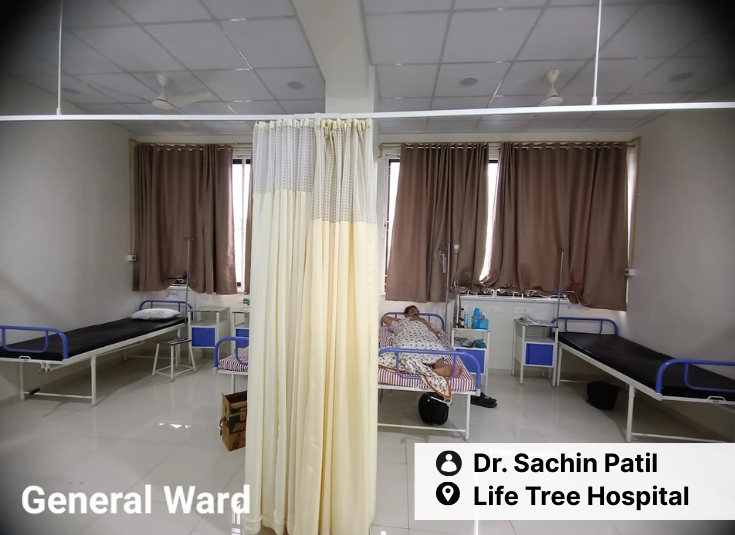
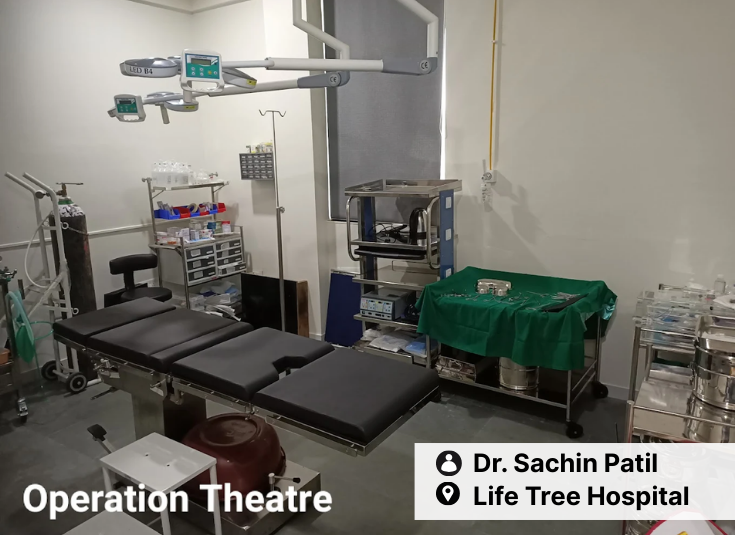
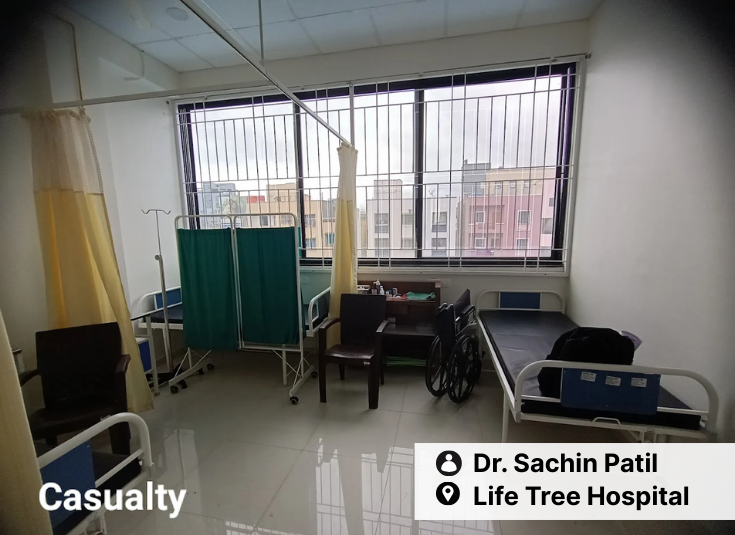
Need Answers? Find them here...
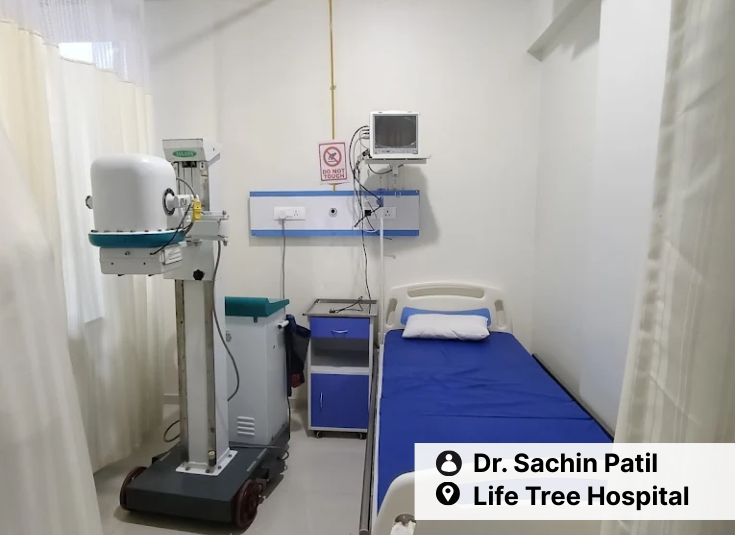
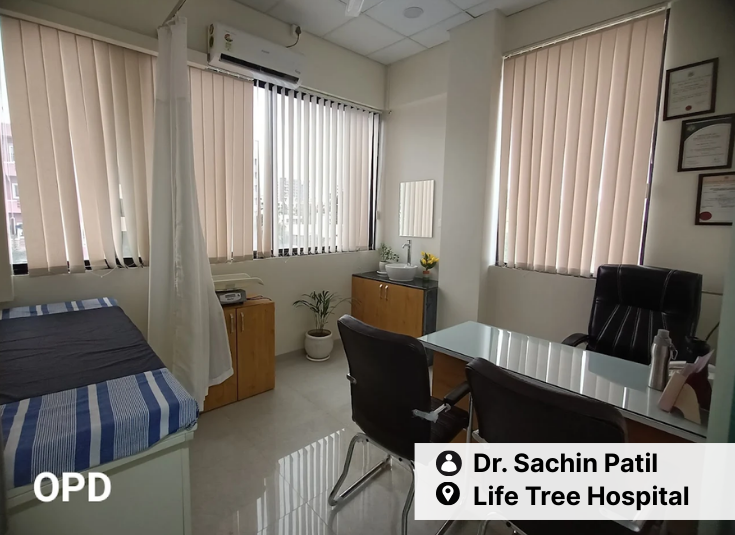
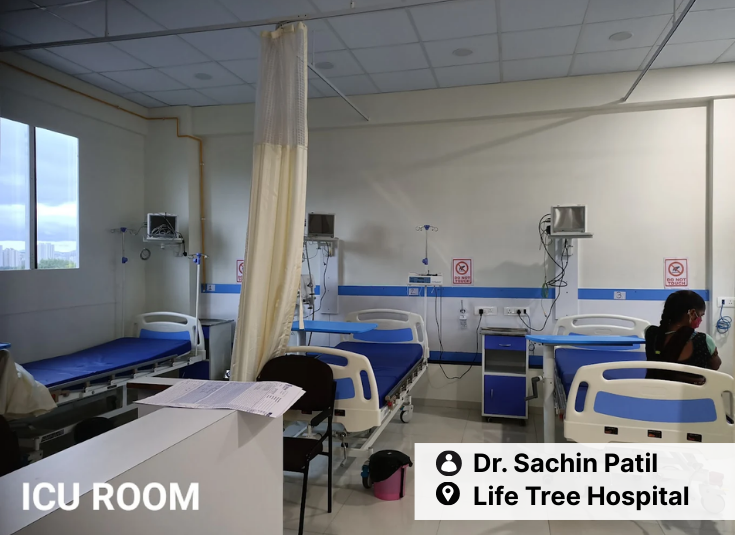
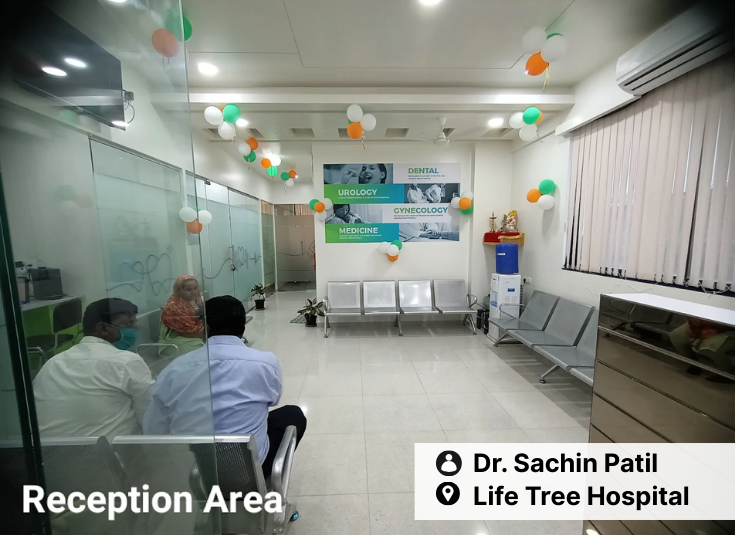
Dr. Sachin Patil is a highly respected Urologist, Andrologist, and Uro-Oncosurgeon known for his expertise in minimally invasive laser surgeries, specifically at Lifetree Hospital in Hinjewadi, Pune, and the Gynecology Urology Clinic, Baner, New Delhi. He specializes in treating kidney stones, prostate enlargement (BPH), urinary incontinence, male infertility, erectile dysfunction, and urological cancers. Additionally, Dr. Patil excels in laser prostate and kidney stone surgery, utilizing laparoscopic and robotic procedures for complex urological conditions.
Dr. Sachin Patil's approach to urological care stands out due to his deep commitment to adopting advanced technology, ensuring faster recovery, and minimizing pain, thus improving patient outcomes. He combines a personalized approach with in-depth diagnosis, extensive patient education, and an unwavering focus on safety and precision. Offering comprehensive solutions for both male and female urological conditions, Dr. Patil is a trusted name for second opinions and managing complex cases, with a patient-centric and ethical practice that has earned him widespread trust.
Seeking a Second Opinion for Complex Urological Cases provides reassurance or alternative perspectives on diagnosis and treatment options. In challenging or multifaceted conditions like recurrent stones, advanced cancers, or failed treatments, another expert can offer additional insights or innovative strategies. This helps ensure optimal, comprehensive care, tailored to individual needs and preferences, enhancing the likelihood of successful outcomes and patient satisfaction.
Stone Prevention & Metabolic Evaluation involves assessing patients predisposed to kidney stone formation to identify metabolic or dietary factors contributing to stone development. Diagnostic tests include urine and blood analysis, imaging studies, and dietary assessments. The aim is to tailor prevention strategies such as dietary modifications, hydration recommendations, and medications to address specific metabolic disorders, thereby reducing recurrence risks and improving long-term kidney health.
Reconstructive Urology involves the surgical repair or reconstruction of ureteric and bladder structures to restore normal function compromised due to congenital defects, injury, or disease. Conditions such as urethral strictures, bladder exstrophy, and trauma-induced damages often require reconstructive interventions. Utilizing advanced techniques, surgeons can rebuild and restore functionality, improving the patient's quality of life and preventing potential kidney damage or recurrent infections.
Pediatric Urology addresses a range of congenital and childhood urological issues including vesicoureteral reflux, hypospadias, undescended testes, and urinary tract infections (UTIs). Treatment focuses on preserving kidney function, preventing infections, and ensuring normal growth and development. Advanced diagnostic tools and minimally invasive surgical techniques ensure effective management, allowing children to lead healthy and active lives while minimizing long-term complications associated with these urological conditions.
Erectile Dysfunction (ED) Management offers multiple options tailored to individual needs and causes. Oral medications such as PDE5 inhibitors (e.g., sildenafil) enhance blood flow to improve erections. For non-responders, alternatives include vacuum erection devices, penile injections, or implants. Psychological counseling is beneficial for factors related to anxiety or depression. A comprehensive evaluation helps determine the most effective and personalized treatment strategy for achieving satisfactory sexual performance.
Male Infertility Evaluation involves comprehensive assessments including physical examinations, semen analysis, hormone testing, and possibly imaging studies. Treatments depend on the underlying cause, encompassing lifestyle changes, medications, surgical interventions, or assisted reproductive techniques such as in vitro fertilization (IVF). The aim is to address factors affecting sperm production or function, improving fertility potential and supporting couples in achieving successful conception.
Laparoscopic and Robotic Surgeries are revolutionizing urological procedures by enhancing precision, reducing invasiveness, and shortening recovery times. Laparoscopy involves small incisions and video-guided instruments, while robotic systems like the da Vinci facilitate greater dexterity and control. These approaches minimize complications, scar sizes, and hospital stays, making them preferred options for treating cancers, kidney stones, and reconstructive issues, ensuring improved patient outcomes.
Recent advancements in Cancer Surgeries within Uro-oncology include the use of robotic-assisted technology, allowing for precise tumor removal with minimal damage to surrounding tissues. Techniques like robotic prostatectomy and nephrectomy offer enhanced visualization, reduced blood loss, and accelerated recovery. Innovations in imaging and genetic profiling further enable personalized treatment plans, improving efficacy and survival rates for patients with prostate, bladder, and kidney cancers.
Laser Surgeries offer a minimally invasive approach for treating kidney stones and prostate issues, providing precision and quick recovery. For kidney stones, laser lithotripsy effectively fragments stones with minimal discomfort. In prostate cases, laser surgery alleviates symptoms of enlargement by removing obstructive tissue. Both procedures minimize complications, reduce hospital stays, and improve patient outcomes significantly compared to conventional surgical methods.
Gallbladder Stone Treatment primarily involves laparoscopic cholecystectomy, a minimally invasive procedure to remove the gallbladder. It's recommended when stones cause symptoms like pain, infection, or inflammation. During the procedure, tiny incisions and a camera aid in efficient stone and gallbladder removal. This technique offers quicker recovery, minimal scarring, and a high success rate, effectively alleviating symptoms and preventing future gallstone-related issues.
Kidney Stone Treatment via laser involves breaking down stones into smaller pieces that can be easily passed or removed. Using a small scope inserted through the urethra, the laser energy effectively targets and fragments stones, minimizing the need for incisions. This method, known as laser lithotripsy, is less invasive, reducing recovery time and associated pain, while maximizing stone clearance and preventing future complications.
Urinary Incontinence (UI) Treatment encompasses various strategies tailored to the patient's specific type and cause of incontinence. Options include behavioral therapies, pelvic floor exercises, medications, and minimally invasive procedures such as sling or Botox injections. For complex cases, advanced interventions like sacral nerve stimulation or reconstructive surgery may be recommended to restore bladder control and improve quality of life.
Andrology Treatment addresses male reproductive health issues including erectile dysfunction, male infertility, low testosterone levels, and premature ejaculation. Specialist evaluations help diagnose underlying causes and provide personalized treatment plans, which may include medication, lifestyle changes, or surgery. Innovative therapies and cutting-edge technologies ensure effective management, improving overall quality of life and reproductive capabilities.
Prostate Laser Surgery is a minimally invasive procedure used to treat benign prostatic hyperplasia (BPH), a condition that causes enlarged prostate. It's recommended for men experiencing moderate to severe urinary symptoms not relieved by medication, such as frequent urination, urgency, or urinary retention. Using laser energy, the procedure removes obstructive prostate tissue with minimal discomfort and quick recovery, improving urine flow and reducing symptoms.
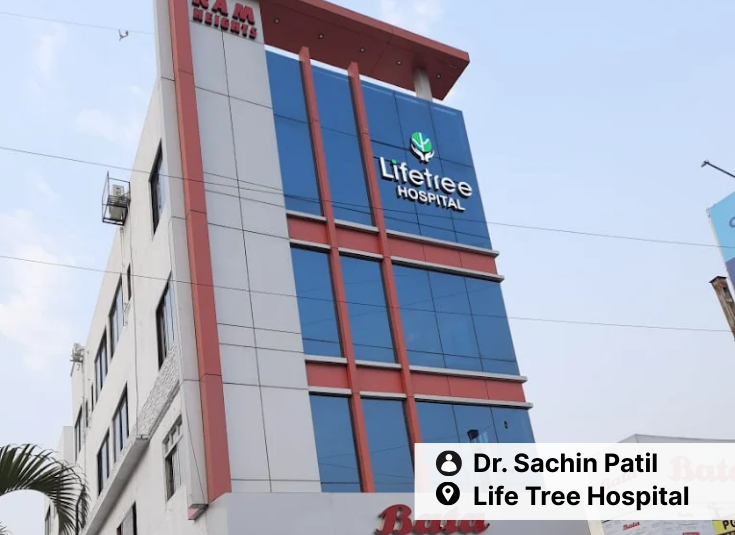
 Address :Gynecology Urology Clinic, Baner - Office 504, 5 th floor, Kalamkar Chowk, 66 high street square, Pancard Club Rd, near KASTURI LEGACY, Baner, Pune 411069, Maharashtra Address :Life Tree Hospital- Ram Height, Survey no.10/4, Hinjawadi - Wakad Rd, above Bata store, Near D-Mart, Hinjawadi, Pimpri-Chinchwad, Pune 411057, Maharashtra